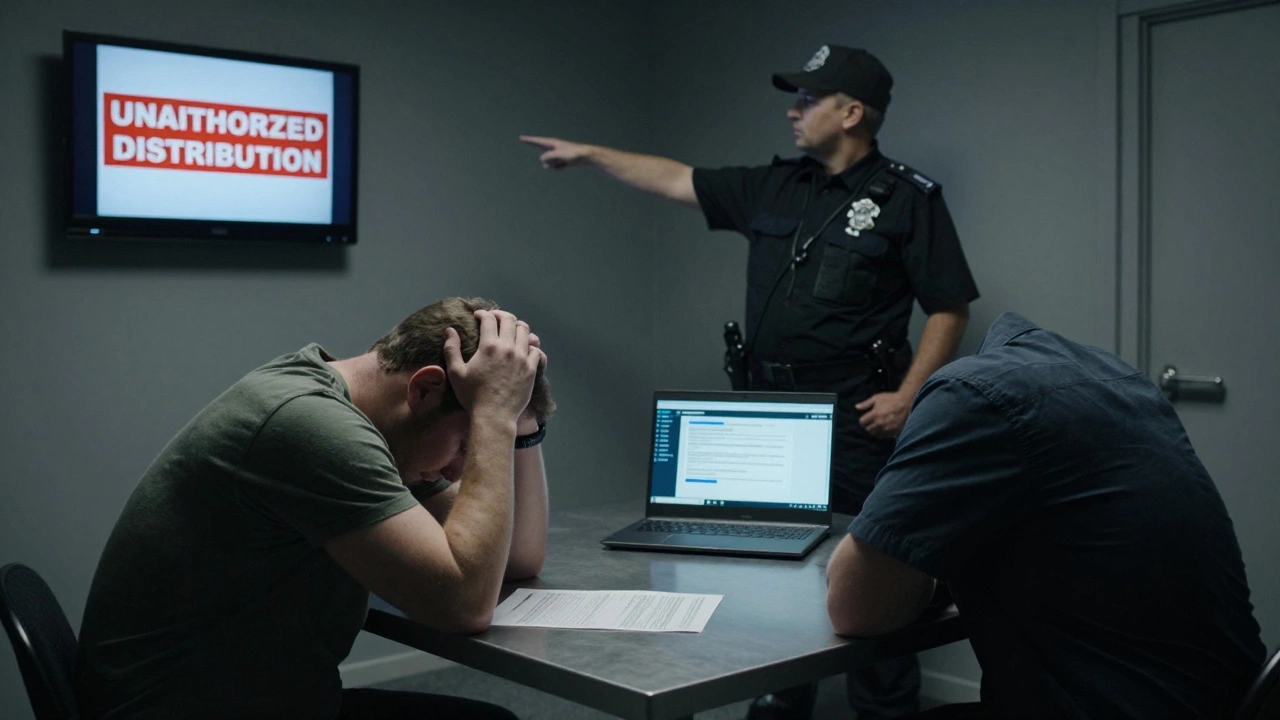
It used to be that sharing intimate photos without consent was treated like a private mistake - something you could brush off with a shrug or a joke. But that’s over. In 2025, revenge porn isn’t just morally wrong - it’s a felony in most developed countries, and the penalties are no longer symbolic. If you post a naked photo of an ex without their permission, you could face jail time, a criminal record, and lifelong restrictions on where you can live and work. This isn’t a warning from a moralist. It’s the law, and it’s being enforced.
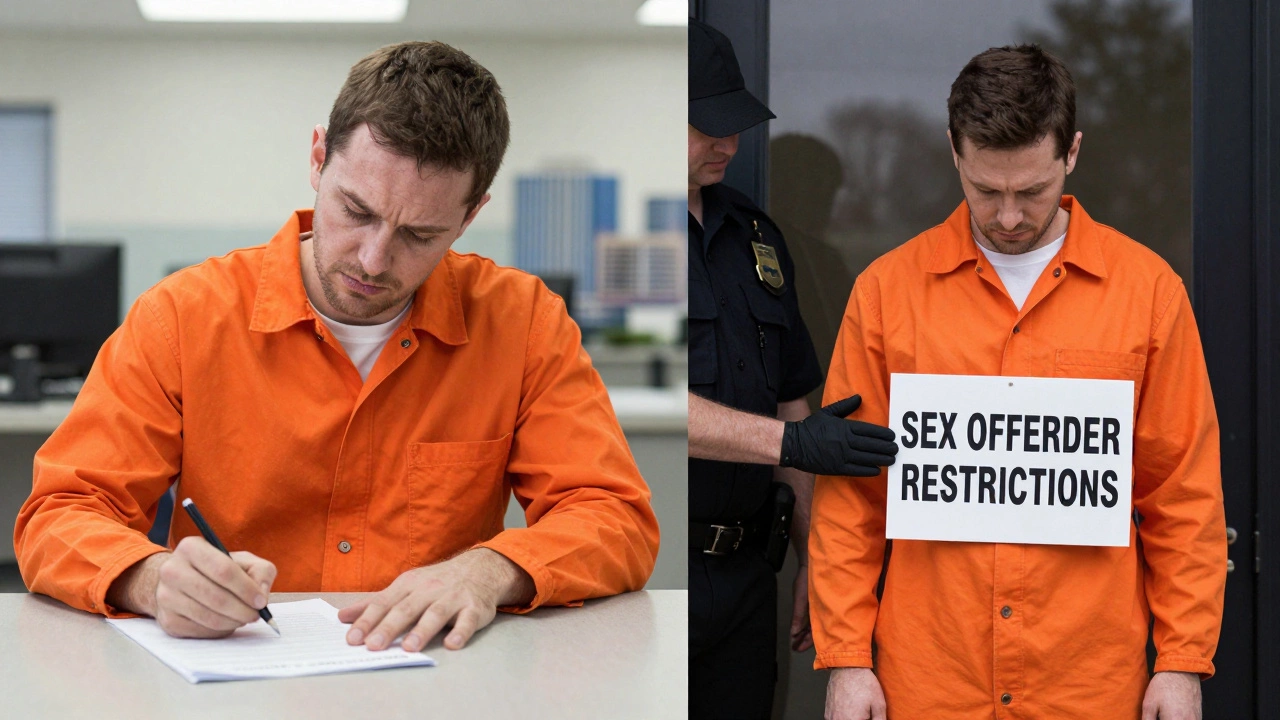
Take the case of a man in Manchester who posted videos of his former partner on a private forum. He thought it was just a way to get back at her after she ended things. He didn’t realize that the police had been tracking the upload through digital fingerprints. Within 72 hours, he was arrested. His defense? "She sent them to me willingly." That didn’t matter. The law doesn’t care about how the images were originally obtained. If they were shared without ongoing consent, it’s a crime. He’s now serving 18 months in prison and is registered as a sex offender. He’ll never work in education, healthcare, or childcare again. And he’ll carry this for life.
These laws didn’t come out of nowhere. They were shaped by years of victims speaking up - women, men, and non-binary people who had their privacy shattered. One woman in London lost her job after her ex leaked photos to colleagues. She was called names at work, couldn’t find another position for over a year, and developed severe anxiety. She didn’t ask for attention. She just wanted the images gone. But the damage was done. Today, under the UK’s Criminal Justice and Courts Act 2015 (amended in 2023), distributing intimate images without consent carries a maximum sentence of up to three years in prison. And that’s just the start.
What Counts as Revenge Porn Now?
The definition has expanded. It’s not just photos or videos. It includes screenshots, deepfakes, edited images, even audio recordings of intimate conversations. If someone shares anything that reveals your private body or sexual activity - and you didn’t give permission for that specific use - it’s illegal. The law doesn’t require proof that the person intended to cause harm. Intent doesn’t matter. Distribution alone is enough. Even if the image was sent once, years ago, and you trusted the person, sharing it later without your consent still breaks the law.
And it’s not just about ex-partners. Friends, coworkers, even strangers who obtain intimate material through hacking or deception are now targets of prosecution. In 2024, a man in Birmingham was sentenced to two years for hacking into his neighbor’s phone and sending nude photos to their employer. He claimed he was "just messing around." The judge called it "a calculated act of humiliation." He’s now on the sex offender register.
Why This Law Works
Before these laws, victims had little recourse. Civil lawsuits were expensive, slow, and often didn’t remove the content. Police rarely took it seriously. But now, law enforcement has dedicated units. In London alone, the Metropolitan Police’s Online Abuse Unit has handled over 1,200 cases since 2023. They work with tech companies to get images taken down within hours. They also use AI tools to scan known distribution networks and track repeat offenders.
What’s changed isn’t just the law - it’s the culture. Schools now teach digital consent in sex education. Employers run mandatory training on digital harassment. Even social media platforms are required to report suspected revenge porn to authorities within 24 hours. The stigma is shifting. People aren’t asking, "What did she do to deserve this?" They’re asking, "How did he think this was okay?"

The Hidden Cost of Revenge
Some people still think revenge porn is a "little white lie" - something you do to get even. But the reality is brutal. Victims report higher rates of depression, suicidal thoughts, and self-harm. One study from the University of Cambridge found that 68% of victims changed their phone numbers, moved homes, or quit their jobs after their images were shared. One man in Leeds lost custody of his children because his ex posted images to a parenting forum. The court didn’t question the validity of the images - they questioned his character. He’s now forbidden from being alone with his kids.
And it’s not just the victim. The perpetrator’s life gets destroyed too. A criminal record means you can’t travel to many countries. You can’t get certain visas. You can’t work in finance, government, or even some retail jobs. Many landlords refuse to rent to people on the sex offender list. Your name becomes searchable forever. Google won’t forget. Neither will employers. The punishment doesn’t end when you leave prison - it follows you into every room you walk into.
What You Should Do If You’re Tempted
If you’re thinking of posting something because you’re angry, hurt, or betrayed - stop. Talk to someone. A therapist. A friend. A hotline. The pain you feel is real. But revenge doesn’t fix it. It only makes it worse - for them, and for you. There’s a reason why the best London escort agency doesn’t advertise on forums or social media. Because they know reputation matters. Because they know trust is fragile. And because they know one mistake can cost everything.
There are better ways to heal. Therapy. Writing. Movement. Time. The internet doesn’t need your anger. It already has enough of it. You don’t need to prove you’re powerful by destroying someone else’s life. You prove your strength by walking away - even when it hurts.
What to Do If You’re a Victim
If someone has shared your intimate images without consent:
- Don’t delete the content. Take screenshots as evidence.
- Report it immediately to the platform where it was posted. Most have 24-hour response teams for this.
- Contact the police. File a report under "non-consensual intimate image distribution."
- Reach out to organizations like the Revenge Porn Helpline (UK) or the Cyber Civil Rights Initiative (US). They help with removal and legal support.
- Don’t blame yourself. This is not your fault.
Many victims feel ashamed. That’s what the perpetrator wants. But shame belongs to them - not you. You didn’t break the law. They did.
Why This Matters Beyond the Law
This isn’t just about punishing bad behavior. It’s about redefining what respect looks like in the digital age. Consent isn’t a one-time checkbox. It’s ongoing. It’s alive. If you share something intimate with someone, you’re giving them a piece of your trust - not your permission to use it as a weapon.
And it’s not just about sex. It’s about power. Who gets to control your image? Who gets to decide when your private moments become public? If we let that go, we lose something fundamental. We become objects - not people.
There are people out there who still think revenge porn is "just a joke." They say, "It’s not like they were murdered." But the truth is, people have died because of this. Not from bullets. From silence. From isolation. From the crushing weight of being known for something they never wanted the world to see.
So think before you scorn. Think before you share. Think before you click. Because once it’s out there, you can’t take it back. And the law won’t just punish you - it will remember you.
For those looking for services in London, best london escort agency operates under strict ethical guidelines - because reputation, trust, and consent are non-negotiable.